Our Methods
We never use herbicide, never treat our animals with antibiotics or growth hormones, never feed grain, and safeguard the Coeur D'Alene watershed with responsible management practices.
How we Manage differently
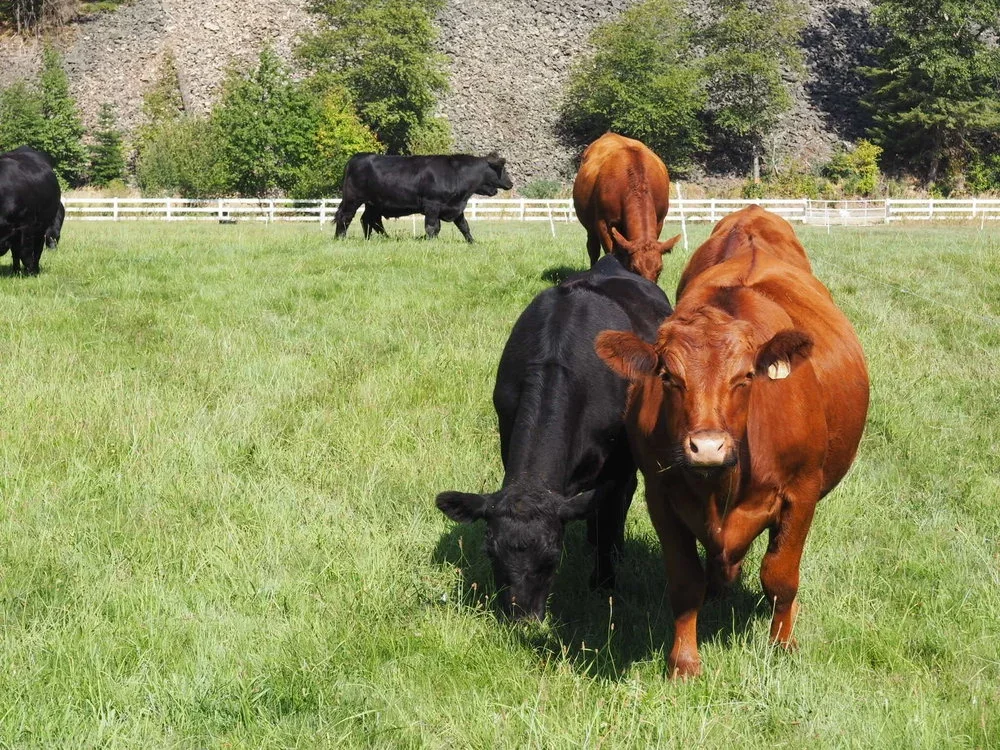
Everything we do is to mimic nature. Grasslands and ungulates (bison, wildebeest, cattle, elk, etc.) need each other to thrive. Just as the great herds migrated, we graze intensively but for short periods of time and then allow a long recovery period. Animal impact, manure and the growth and retraction of roots in response to grazing maximizes species diversity and top soil construction.
You move your animals every day? Why? Because plants need rest after being grazed. Both the rest and the grazing are critical, you need both. When a cow grazes, she is inciting new growth in a plant, which stimulates the soil biology and at the same time, the cow’s manure fertlizes and helps the soil biology. You need to give the soil biology time to work, so that’s where rest is critical. A plant is not harmed by grazing, and actually benefits from it, as long as the plant has time to recover.
Moving every day also allow us to spend time with our cows, which we enjoy, so it doesn't really feel like work. The extra effort by us is paid back by increased pasture productivity and better weight gains for our cattle that makes for awesome beef. Daily moves also change the ways cows graze to a ‘non selective’ mentality whereby the cows manage weeds for us by eating them, so we exchange time spent spraying toxic chemicals and driving a tractor for time walking around in a healthy environment with our cows. That seems like a good trade to us.
Here are some common management tools that we AVOID:
Fertilizer
Of course we fertilize... we just let our cows do it with manure, and create an environment that legumes and a diverse plant species thrive in, all of which supports healthy soil biology and when the fungus in the ground is happy, plants and animals grow better. Sometimes we supplement our pastures with compost and we also use foliar sprays derived from ground up salmon, shrimp and crab.
Herbicide
Why apply an herbicide? To kill a 'weed', but what if your cows eat the weeds?
By confining our cows to an area that will feed them for 24 hours they become a lot less selective about what they eat and more open to trying new things (cows can be hesitant to try new things too!). Most ‘weeds’ aren't bad for cows, and frequently they are very good for them, but it's not different than you or I at a buffet. We are going to eat what we like best first, then go for the other stuff. Well, if the buffet has only just enough food for everyone, you'll take what you get and be happy about it. That's the gist of why our cows eat weeds and other people's don't. It's not that our cows are smarter, we just manage them differently (it was hard not to write 'better' there ;).
Antibiotics
You only need antibiotics if animals gets sick, so what gets an animal sick?
Stress, in the form of poor nourishment, emotional stress from crowding or other environmental factors. By mimicking nature, our animals are happier and healthier and we almost never have to use antibiotics. If an animal is in a life or death situation, we will administer antibiotics and then cull that animal from the herd.
Growth Hormones
Gross. I'm not even sure how to answer this one, I guess we just aren't in a big enough rush.
Check out 'mob grazing' and 'bale grazing' as two powerful tools for renovating (and maintaining) pastures. Are you really still reading this? If so, we'd probably have fun hanging out. Feel free to contact us and we'd love to talk to you or join us at our ranch for a pasture walk.
Practices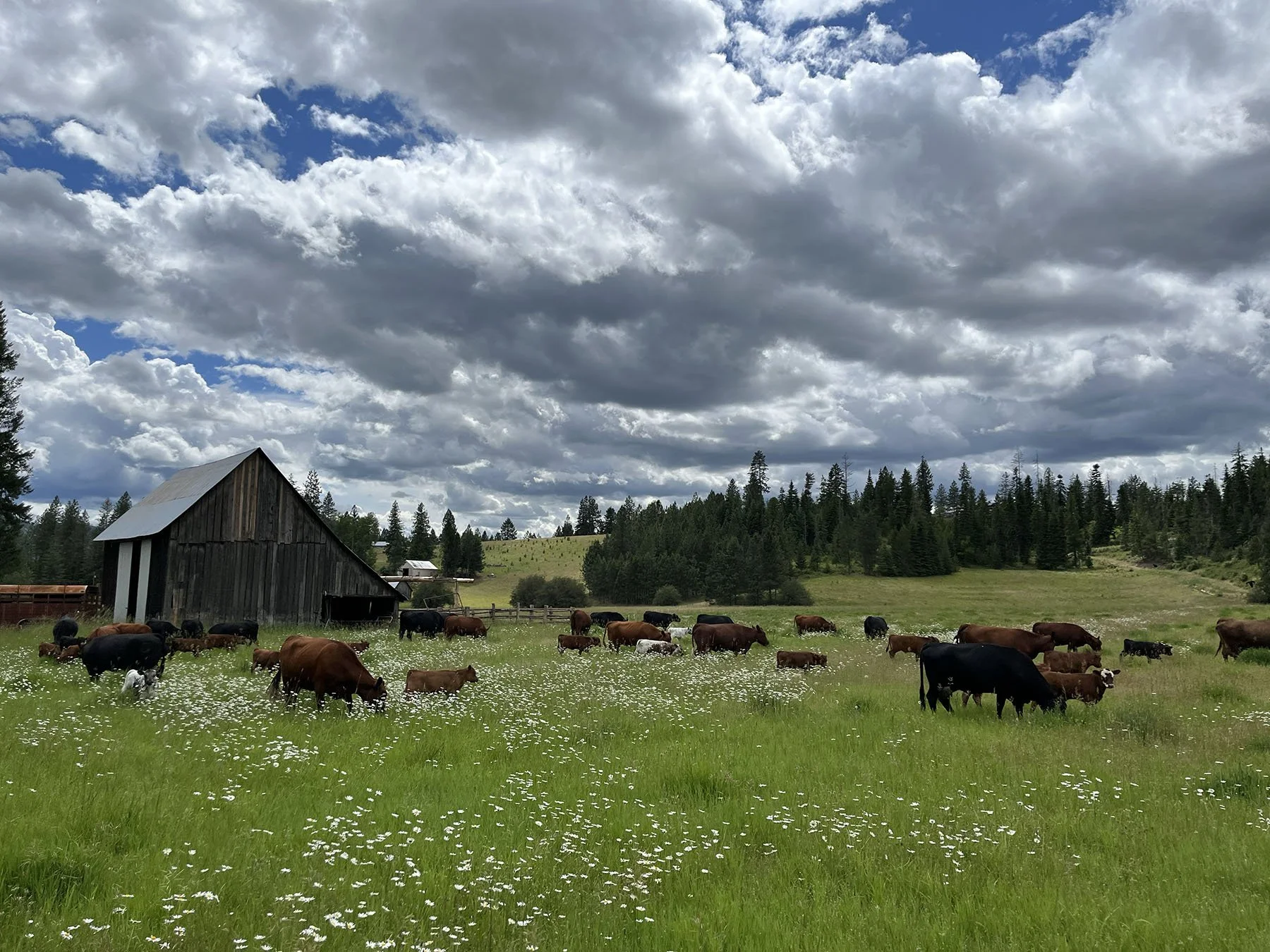
Our Ethos
We want to share a healthy world that all creatures can enjoy living in. For us that means improving and safeguarding the biological function of our land so that we can provide our customers with beef that keeps their body’s biology healthy.
The whole system has to be functioning well for any one creature to thrive, so while we are a cattle ranch, we take the health of our soil biology, trees, frogs, birds and children just as seriously as the health of our cattle.
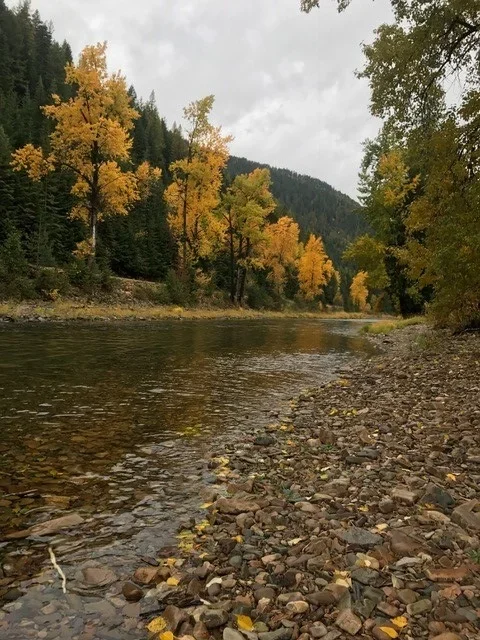
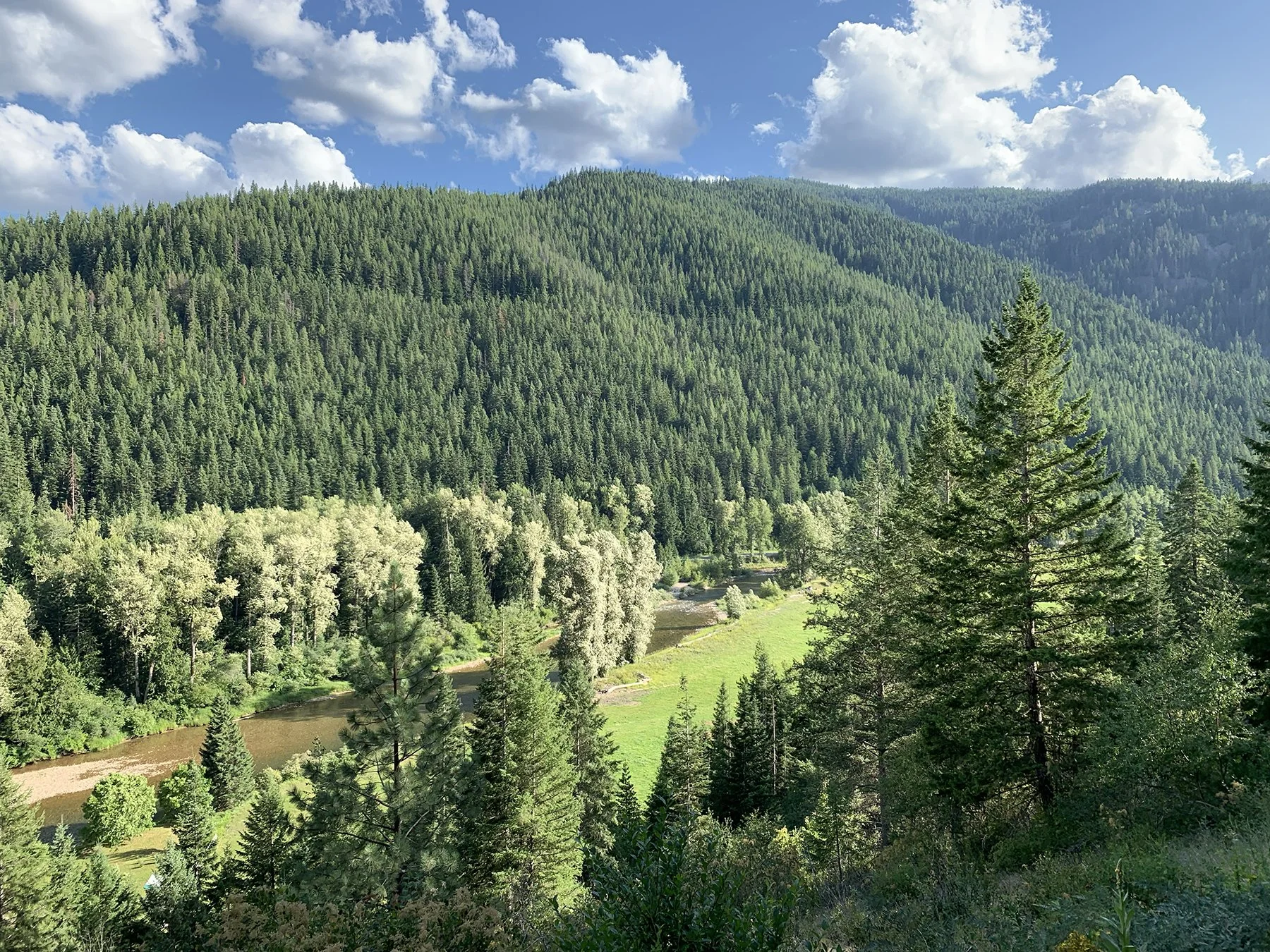
Accomplishing this requires safeguarding the entire water shed because every drop of rain and every snowflake eventually finds it's way to the river. Coexisting with nature, rather than working against it, allows us to grow healthy, delicious beef, while enhancing the ecosystem we live in and we accomplish this by mimicking nature in the way our cows graze.
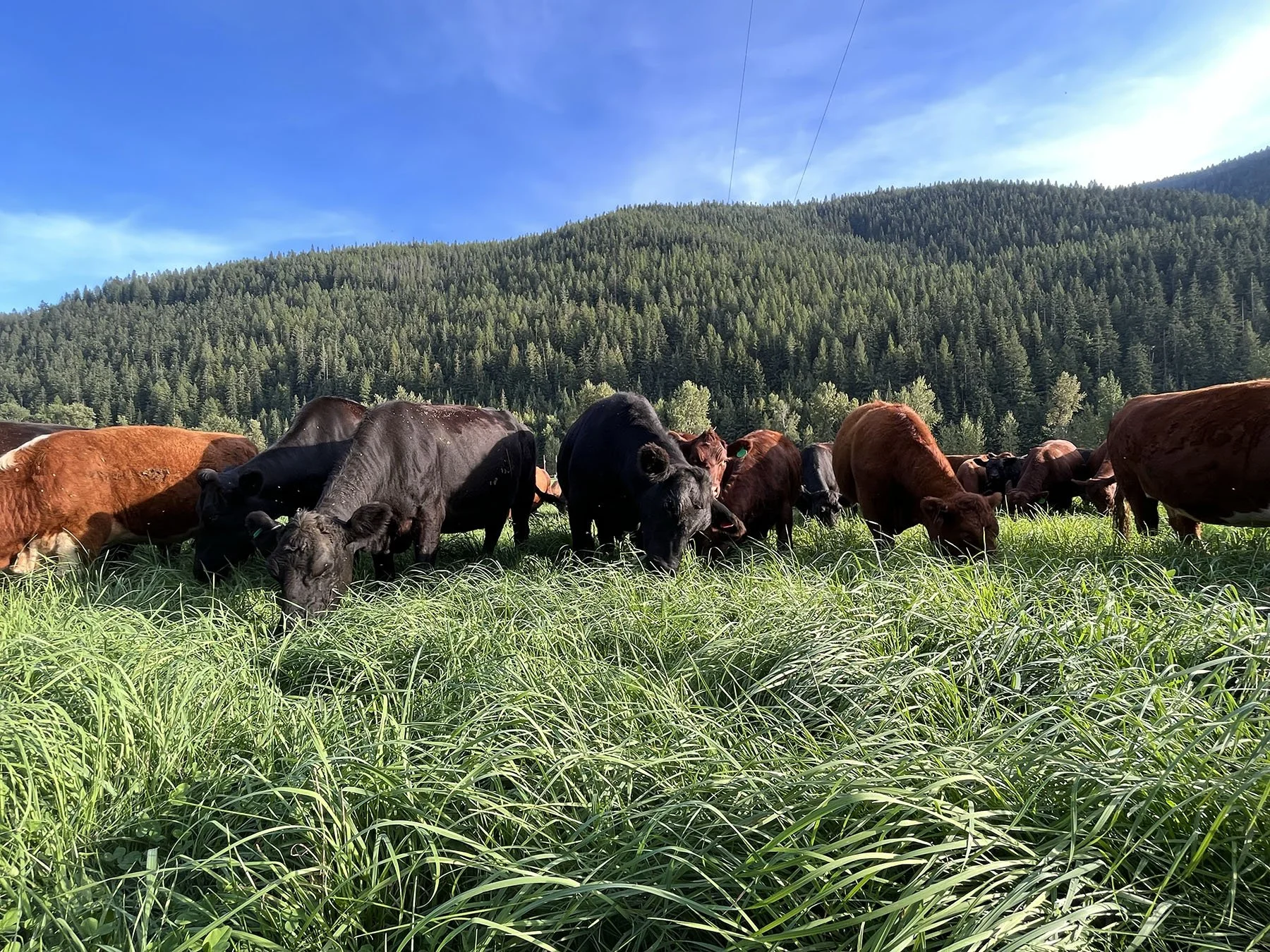
We use electric fence to mimic predators and move the fence at least once a day and sometimes several times a day. We do this because we want every square inch of a paddock stepped on, pooped on, or eaten. The hooves of the cows incorporate organic matter into the soil, their manure fertilizes the soil biology, and eating grass promotes new growth. This happens for a short period, less than 24 hours and then the cows move on and don't return to the same spot for months. This gives the pasture time to fully recover before the next grazing. This 'pulsing' of high animal impact and then long periods of rest does amazing things for grasslands.
Grasses and ungulates (of which cows and bison are) coevolved and need each other to fulfill their life cycles. Done right, a positive reinforced cycle of sunshine, rain, and animal impact builds top soil and continues to improve ecosystem health. How do you think the great plains got dozens of feet of beautiful soil? The pulsing of 30 million bison and their life cycle.
Want to know more? Curious? YES!!!! Check out our FAQ and resources page and if you're still interested, let's talk!